
The Ultimate Guide to Lab Diamond Tennis Bracelets: Luxury Within Reach

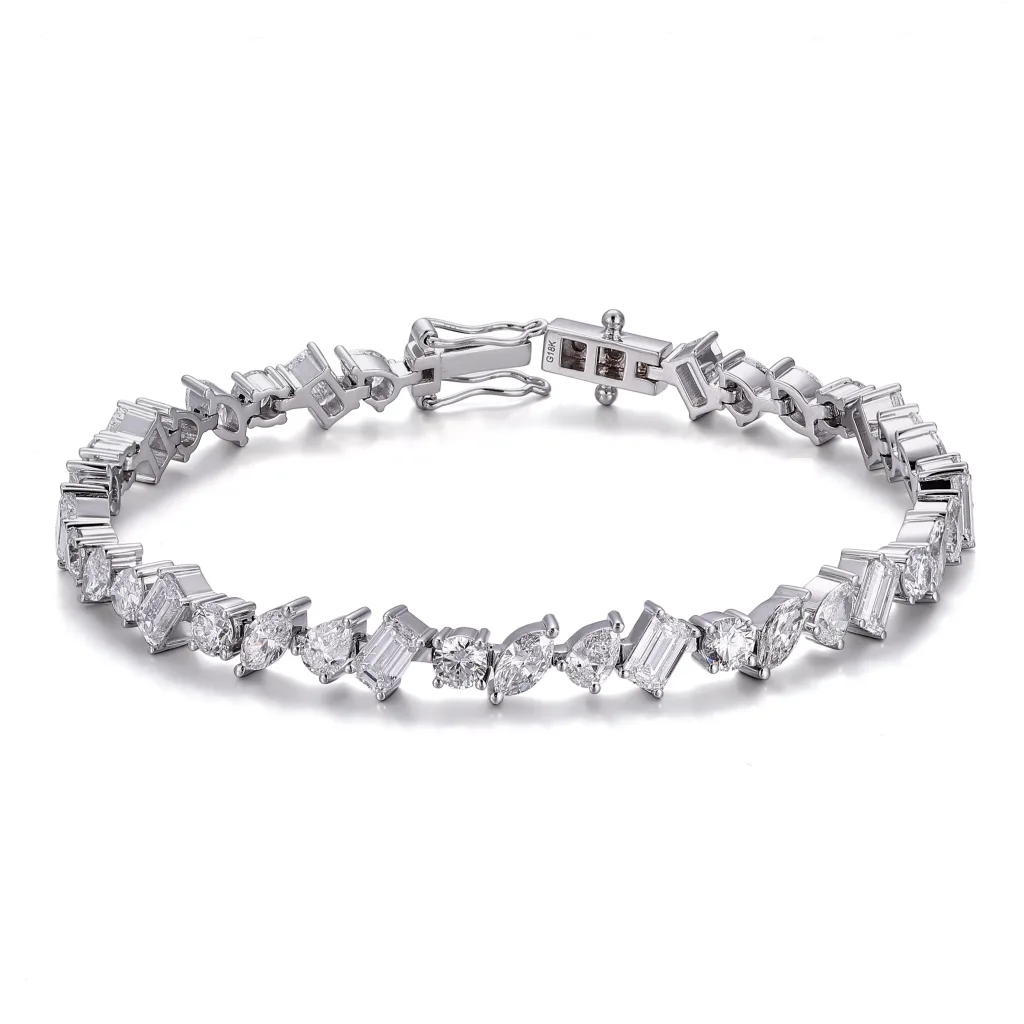
There are jewelry trends that fade, and then there are icons. The tennis bracelet belongs firmly in the second category. It is the “little black dress” of the jewelry world—effortless, versatile, and undeniably sophisticated.
But for years, owning a bracelet featuring a continuous line of diamonds was a luxury reserved for the ultra-wealthy.
Enter the Lab Diamond Tennis Bracelet. By combining identical chemical quality with modern technology, lab-grown diamonds have democratized this classic piece. Today, we are diving deep into everything you need to know about the wrist accessory that never goes out of style.
First, Why is it Called a “Tennis” Bracelet?
Before we talk about diamonds, let’s talk about history. Originally known as an “eternity bracelet,” this style got its famous nickname during the 1987 US Open. Tennis legend Chris Evert was wearing her diamond line bracelet during a match when the clasp snapped, and the bracelet flew off.
She famously stopped the match, asking the officials to pause until she found her diamonds. From that moment on, the “eternity bracelet” became the “tennis bracelet”—a symbol of luxury that is durable enough to be worn every day, even on the court.

Lab Grown vs. Mined: The Smart Choice
Why are so many jewelry lovers switching to lab diamond tennis bracelets? It comes down to two factors: Value and Ethics.
The Science: A lab diamond is physically, chemically, and optically identical to a mined diamond. The only difference is its origin (grown in a lab simulating earth’s pressure vs. dug from the ground).
The Price Tag: A tennis bracelet requires a lot of diamonds—often 50 or more stones. With mined diamonds, the cost adds up astronomically. With lab diamonds, you can often get a bracelet with bigger stones and better clarity for 30-50% less than the mined equivalent.
The Impact: Lab diamonds are conflict-free and generally have a smaller environmental footprint, making your sparkle guilt-free.
Setting Style: Prong vs. Bezel
- Prong Set (Classic): This is the most traditional look. Small metal claws hold each diamond, allowing maximum light to enter from the sides. It offers the most sparkle.

- Bezel Set (Modern): Each diamond is encircled by a rim of gold. This is ultra-secure and smooth to the touch (perfect for not snagging on sweaters!). It gives a sleek, contemporary aesthetic.

2. Carat Weight: Subtle or Statement?
- 2ct – 3ct Total Weight: Delicate and perfect for daily wear or stacking with a watch.
- 4ct – 6ct Total Weight: The “Goldilocks” size. Noticeable from across the room but still elegant.
- 8ct+ Total Weight: A true statement piece for evening wear or special occasions.
3. Metal Color
- White Gold/Platinum: The most popular choice. The white metal blends with the diamonds, creating a seamless “river of ice” look.
- Yellow Gold: Adds warmth and a vintage contrast. It makes the individual diamonds pop visually.
The beauty of a lab diamond tennis bracelet is its versatility.
- The “Daily Stack”: Pair a 3mm tennis bracelet with your Apple Watch or a chunky gold chain bracelet. The mix of high-end sparkle and functional tech/metal is very trendy.
- Solo Elegance: For a black-tie event or a romantic dinner, wear a heavier carat weight bracelet on its own. Let the diamonds do the talking.

A lab diamond tennis bracelet is more than just jewelry; it is a celebration of light that encircles your wrist. It represents a smart investment in quality, style, and sustainability.


